সর্বশেষ আপডেট

নোবিপ্রবিতে যোগদানের বর্ষপূর্তি উপলক্ষে উপাচার্যের মতবিনিময় সভা

নোবিপ্রবিতে জুলাই স্মৃতি আন্তঃঅনুষদ ফুটবল প্রতিযোগিতার ফাইনাল ও পুরস্কার বিতরণ

নোবিপ্রবির সঙ্গে তুরস্কের আমাসিয়া বিশ্ববিদ্যালয়ের প্রাতিষ্ঠানিক চুক্তি স্বাক্ষর

নোবিপ্রবিতে যথাযোগ্য মার্যাদায় জুলাই গণঅভ্যুত্থান দিবস পালিত

নোবিপ্রবিতে যথাযোগ্য মর্যাদায় জুলাই শহিদ দিবস পালিত

নোবিপ্রবিতে দিনব্যাপী রিসার্চ ফেয়ার অনুষ্ঠিত একাডেমিক এক্সিলেন্স অ্যাওয়ার্ড পেলেন ১০১ শিক্ষক-শিক্ষার্থী

নোবিপ্রবিতে যথাযোগ্য মর্যাদায় মহান স্বাধীনতা ও জাতীয় দিবস পালিত

নোবিপ্রবিতে যথাযোগ্য মর্যাদায় শহিদ দিবস ও আন্তর্জাতিক মাতৃভাষা দিবস পালিত

NSTU: A Migratory Bird Sanctuary
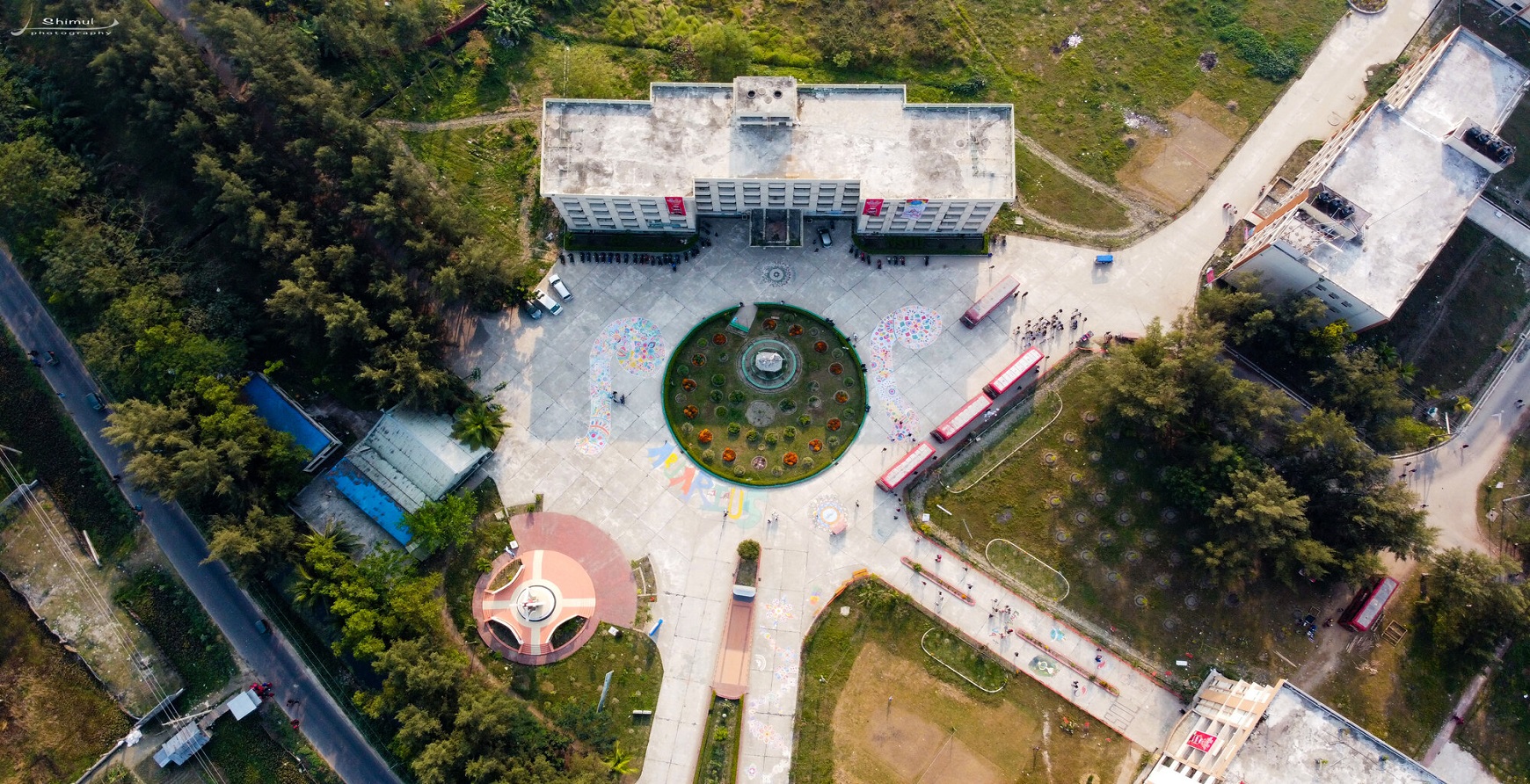
পাখির চোখে নোবিপ্রবি
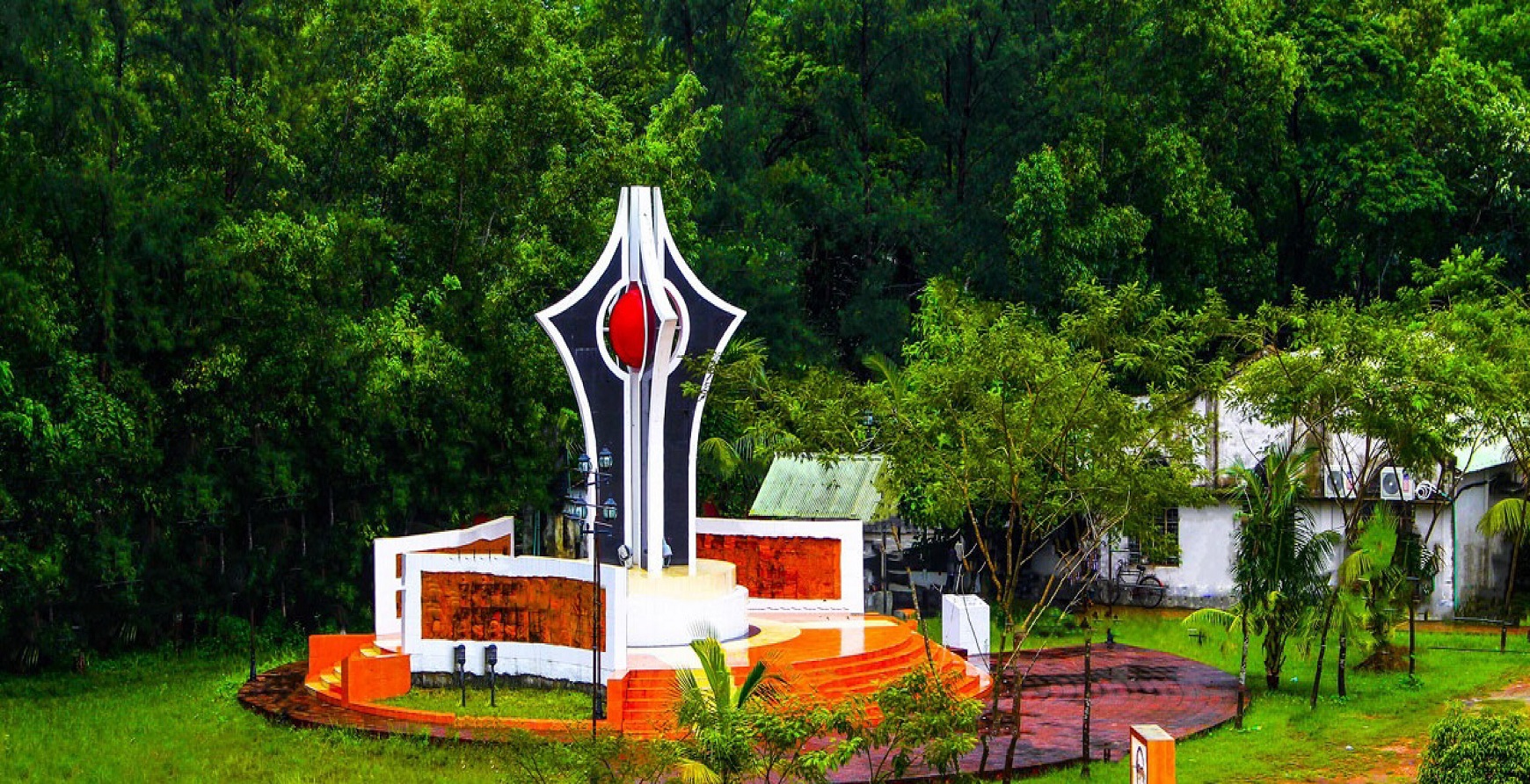
কেন্দ্রীয় শহীদ মিনার,নোবিপ্রবি
-
২০২৫-২৬ শিক্ষাবর্ষে ১ম বর্ষ স্নাতক (সন্মান) শ্রেনিতে ভর্তি সংক্রান্ত তথ্যবলী
December 08, 2025 -
ডেপুটি রেজিস্ট্রার পদে নিয়োগের লক্ষ্যে আগামী ১৩ এপ্রিল ২০২৬ তারিখে অনুষ্ঠিতব্য লিখিত ও মৌখিত পরীক্ষা স্থগিতকরণ প্রসঙ্গ।
April 08, 2026 -
Re-announcement of the JASSO Scholarship in Japan-2026
April 02, 2026 -
(বিজ্ঞপ্তি) আর্থিক অনুদান প্রসঙ্গে।
March 25, 2026 -
Announcement of the IJEP Short Term Exchange Program-2026
March 17, 2026 -
Job Circular(Re-Advertisment) Heat Project (PIN-13087)
February 19, 2026 -
MS in Disaster Management 2025-26 Admission Circular
February 09, 2026 -
Re-announcement for the Doctoral Short - Term Internship Program
February 03, 2026 -
Institute of Information Sciences M.S.S Admission Notice for the Academic Year 2024-25
February 02, 2026 -
Masters of Education Administration and Leadership Program Admission Notice for the Academic Year 2024-25
January 29, 2026
-
নোবিপ্রবিতে বাংলা নববর্ষের বর্ণাঢ্য বৈশাখী শোভাযাত্রা
April 14, 2026 -
নোবিপ্রবি রিজেন্ট বোর্ডের ৬৯তম সভা অনুষ্ঠিত
April 12, 2026 -
নোবিপ্রবিতে শিক্ষক, কর্মকর্তা ও কর্মচারীদের গ্রুপ ইন্সুরেন্স জীবন ও স্বাস্থ্য বীমার চুক্তি স্বাক্ষর
April 04, 2026 -
ইউজিসি চেয়ারম্যানের সঙ্গে নোবিপ্রবি উপাচার্যের সৌজন্য সাক্ষাৎ
March 30, 2026 -
নোবিপ্রবিতে মহান স্বাধীনতা ও জাতীয় দিবস পালিত
March 29, 2026 -
স্নাতক (সম্মান) শ্রেণির ভর্তি পরীক্ষা উপলক্ষে স্টেকহোল্ডারদের সঙ্গে নোবিপ্রবি উপাচার্যের মতবিনিময় সভা
March 25, 2026 -
ভর্তি পরীক্ষা উপলক্ষে গণমাধ্যমকর্মী ও শিক্ষক-কর্মকর্তা- কর্মচারীবৃন্দের সঙ্গে নোবিপ্রবি উপাচার্যের মতবিনিময় সভা
March 25, 2026 -
আরপিজিসিএল আয়োজিত সেমিনারে মুখ্যপ্রবন্ধ উপস্থাপন করলেন নোবিপ্রবি উপাচার্য
March 05, 2026 -
নোবিপ্রবিতে প্রজেক্টের উদ্বোধন উপলক্ষে ইনসেপশন ওয়ার্কশপ অনুষ্ঠিত
March 05, 2026 -
নোবিপ্রবিতে অফিস ম্যানেজমেন্ট বিষয়ক প্রশিক্ষণ শুরু
March 03, 2026 -
নোবিপ্রবিতে শহিদ দিবস ও আন্তর্জাতিক মাতৃভাষা দিবস পালিত
February 21, 2026 -
নোবিপ্রবি প্রশাসনকে জড়িয়ে অসত্য ও অপতথ্য প্রচার বিষয়ে কর্তৃপক্ষের বিবৃতি
February 19, 2026 -
গণমাধ্যমকর্মীদের সঙ্গে নোবিপ্রবি উপাচার্যের মতবিনিময়
February 19, 2026 -
নোবিপ্রবিতে কেন্দ্রীয় পরিবহন শেড উদ্বোধন
February 16, 2026
Faculty of Biological Sciences
Department of Fisheries and Marine Science (FIMS)
Department of Pharmacy
Department of Microbiology
Department of Food Technology and Nutrition Science (FTNS)
Department of Biotechnology and Genetic Engineering (BGE)
Department of Agriculture
Department of Biochemistry and Molecular Biology (BMB)
Department of Zoology
Department of Soil, Water & Environmental Sciences
বার্ষিক কর্মসম্পাদন চুক্তি (APA)





Memorandum of Understanding (MoU)












NSTU At a Glance
10000
Graduates
421
Teachers
208
Officers
33
Departments